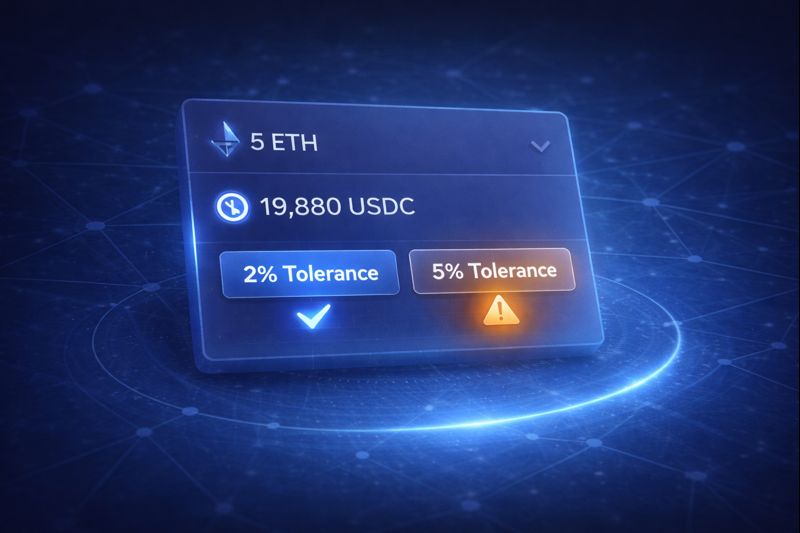
How to Set Slippage Tolerance Safely (and When Higher Is Worse)
A practical guide to slippage tolerance in DeFi, explaining how to set it safely, why higher values can backfire, and how disciplined settings protect execution quality.

A practical guide to slippage tolerance in DeFi, explaining how to set it safely, why higher values can backfire, and how disciplined settings protect execution quality.

A clear beginner guide to USDT (Tether), explaining how it works, where it is used, and what risks to understand before using it on-chain.

“Free” crypto apps often hide costs in execution. Learn how spread, slippage, routing opacity, MEV, and approvals affect what you actually receive.
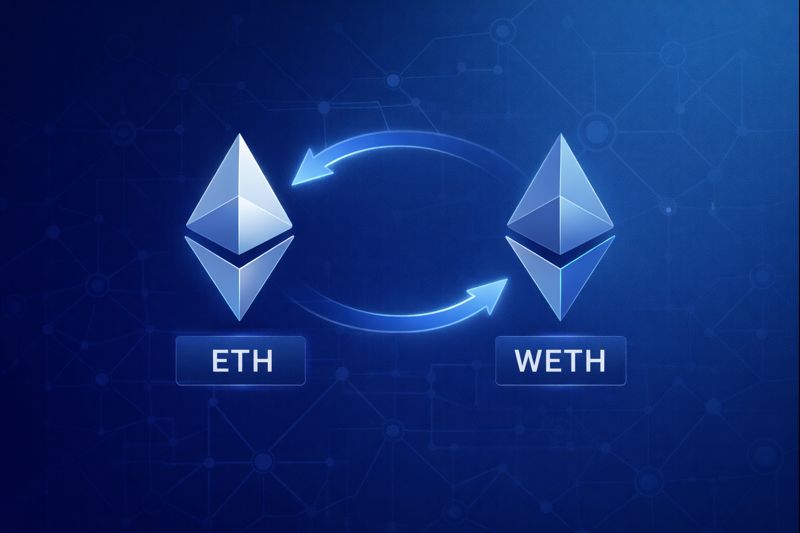
A beginner friendly guide to WETH. Learn what wrapped ETH is, why people wrap ETH for DeFi, how WETH works across chains, and what risks to keep in mind.
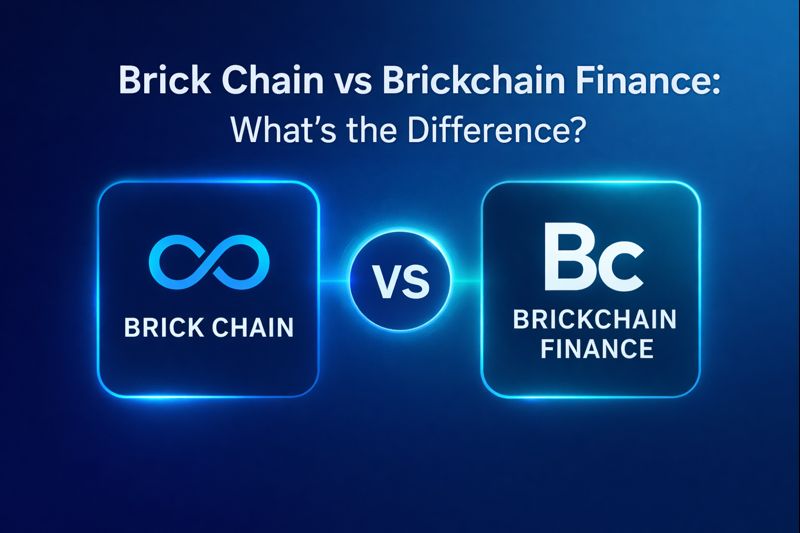
If you searched for “Brickchain Finance” and found Brick Chain, you are not alone. This post clarifies the difference, explains what Brick Chain is, and links to the active app and guides.

USDC is one of the most widely used digital dollars in crypto. This beginner friendly guide explains what USDC is, how it works, why it stays near one dollar, and how it fits into everyday DeFi activity.

Audits are essential, but they’re not guarantees. This guide to smart contract security DeFi explains what audit reports actually cover, what they miss, and the user habits that matter—approvals, contract verification, and safe execution—before you click “confirm.”

Base is more than a faster blockchain—it’s a shift in how decentralized finance feels. Lower fees, smoother swaps, and near-instant confirmations are turning DeFi from an experiment into everyday infrastructure.
Slippage is the hidden cost of DeFi trading. This guide breaks down what it is, why it happens, and how liquidity, routing, and user habits affect execution quality on Base.

DeFi can be confusing—until you separate myths from reality. This post tackles five common misconceptions about self-custody, DEX pricing, gas fees, anonymity, and developer complexity, with practical takeaways and links to deeper guides.