What Is USDT? A Simple Guide for Beginners
A clear beginner guide to USDT (Tether), explaining how it works, where it is used, and what risks to understand before using it on-chain.
A clear beginner guide to USDT (Tether), explaining how it works, where it is used, and what risks to understand before using it on-chain.

“Free” crypto apps often hide costs in execution. Learn how spread, slippage, routing opacity, MEV, and approvals affect what you actually receive.
USDC is one of the most widely used digital dollars in crypto. This beginner friendly guide explains what USDC is, how it works, why it stays near one dollar, and how it fits into everyday DeFi activity.
Behind every swap, Brick-Chain evaluates liquidity, fees, gas, and slippage to deliver a reliable, competitive route—so you don’t have to micromanage execution.
Self-custody turns crypto from an IOU into something you truly own. Here’s what it means in practice, why it matters, where the risks live, and how Brick-Chain designs for clarity and control.
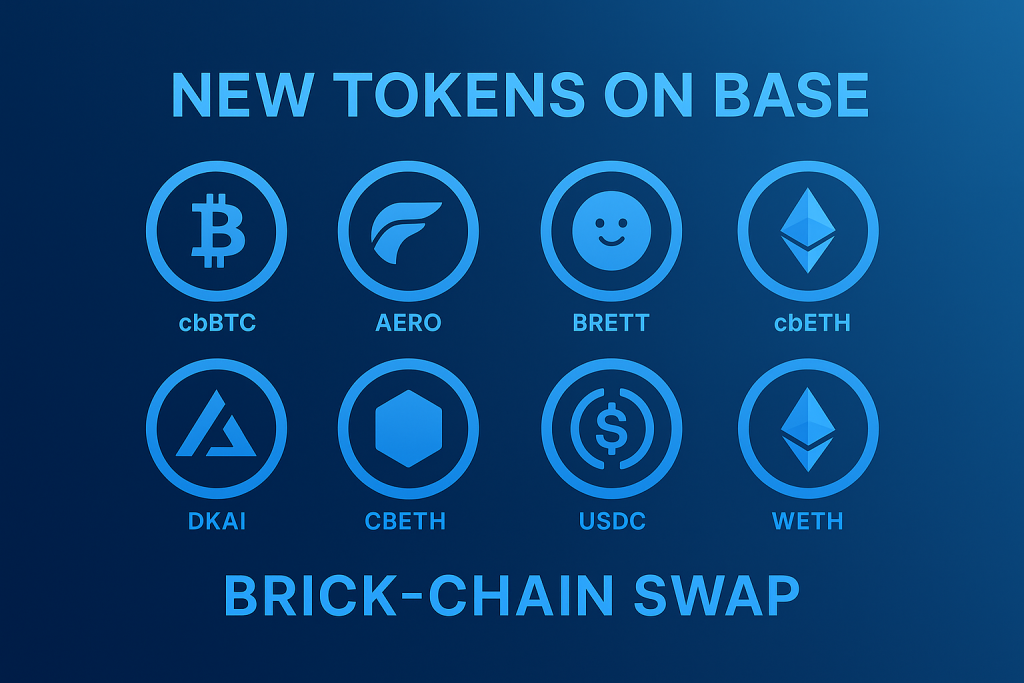
We’re expanding Brick-Chain Swap on Base with six new tokens—cbBTC, AERO, BRETT, ZORA, DKAI, and cbETH—alongside USDC and WETH. Here’s why it matters, how to swap, and what’s next as we scale support for Base-native assets.
DeFi’s first wave proved what was possible. The next wave is making it useful. Here’s how lower fees, better UX, and reliable swaps are turning crypto into everyday finance—and how Brick-Chain fits in.
Token swaps are the heartbeat of decentralized finance (DeFi). Learn how they work, why they matter, and how Brick-Chain Swap makes it simple, fast, and low-fee on Base.